Intense weather events, theft and fraud, and higher repair costs are all changing the economics of floor plan insurance.
Escalating losses from weather events. The increasing severity of catastrophic weather, large hail events, hurricanes, flooding, tornadoes, and other severe weather incidents, has generated billions of dollars in insured losses across the country.
Insurers are revisiting underwriting assumptions, adjusting policy language, and introducing new deductible structures designed to better reflect today's risk environment. Higher deductibles have become more common, particularly for wind and hail claims, with percentage-based deductibles replacing fixed-dollar deductibles in some policies. Certain regions face more restrictive underwriting, while coverage limitations for flood or catastrophic events have become common. Policy structure changes have shifted a greater portion of financial responsibility back to the insured to control premium increases, making acquiring floor plan coverage in today’s market as much about evaluating policy structure as negotiating premiums.
"Risk isn't static," says Smith. "As dealerships evolve, vehicle technology changes, and new threats emerge, dealers should periodically evaluate whether their insurance strategy has kept pace."
Theft and fraud. Vehicle theft has become more sophisticated and increasingly targeted. Organized theft rings often focus on high-value trucks, luxury SUVs, and performance vehicles, raising the probability for significant losses in a single incident. Transportation fraud has emerged as a growing concern throughout the automotive supply chain. Criminals have become adept at impersonating legitimate transport companies, enabling them to develop fraud schemes that intercept vehicles moving between auctions, manufacturers, ports, and dealerships.
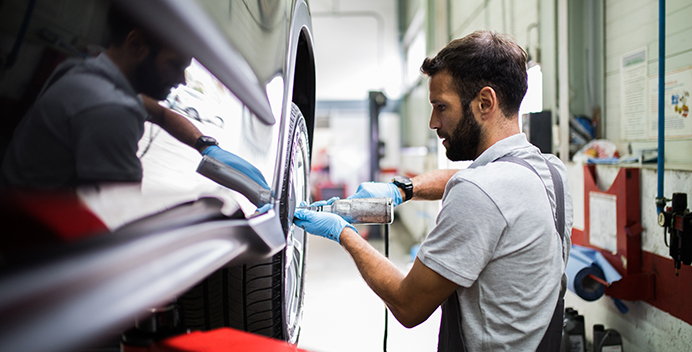
The rising cost of repairs. Inflation has fundamentally changed the economics of all types of claims. Higher labor rates, more expensive replacement parts, and increasingly sophisticated vehicle technology push repair costs ever higher. Even relatively minor damage can involve hard-to-repair electronics and wiring before the vehicle is returned to retail condition.
The rising cost of repairs has left dealers more exposed to weather damage than they were only a decade ago. Advanced driver assistance systems, cameras, radar sensors, panoramic glass roofs, sophisticated lighting systems, and increasingly complex body designs mean what once represented relatively minor cosmetic damage can now require extensive repairs involving expensive replacement parts and recalibration.
"Ten years ago, repairing hail damage often meant replacing sheet metal," adds Jason W. Smith, head of Dealer Commercial Services at Truist. "Today, a single repair may involve electronics, sensors, cameras, calibration, specialized labor, and significantly higher costs. That changes the economics for both insurance companies and dealerships."