


Use next-gen platforms and strategic planning to keep your business competitive throughout the year.
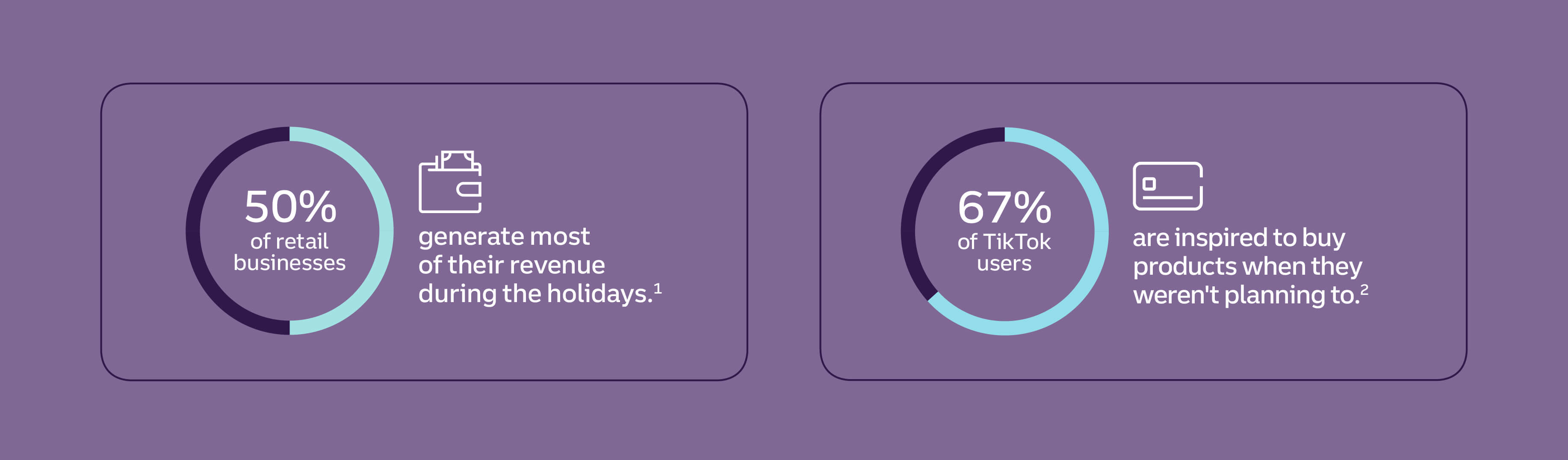
Seasonality affects sales and bottom lines—no matter the industry. Holidays and even social media trends, which can be fleeting but very influential, can all drive revenue inconsistency.
These fluctuations can create significant cash flow challenges for companies trying to make payroll or pay vendors during times of slower revenue. But businesses can also view these fluctuations as opportunities. Your Truist relationship manager can help you understand cash flow strategies for both peak revenue periods and times during the year when revenue is slower. Here are some tips to get you started on a path to year-round stability.
You can use seasonal increases in revenue to your advantage—if you know they’re coming. Reviewing your financials and using past performance to determine future strategies can help you maximize revenue opportunities.
Recognize industry-specific patterns. Analyzing historical sales data can help identify regular trends and cycles. For example, the auto industry experiences peak sales in May due to Memorial Day deals and in October when new car models are released.3 Meanwhile, healthcare demand increases during flu season in the fall and winter.
Take your time. Start thinking about your peak season several months in advance of it, using data from the last three to five years to forecast your potential revenue. This proactive approach allows you to plan and identify promotional opportunities to maximize sales during periods of high demand. Your Truist relationship manager can help you determine potential returns on investments made to boost production or increase staffing during peak times.
Combine human expertise with next-gen tools. Almost half of businesses have implemented machine learning in their business practices.4 One benefit is that analyzing large datasets can help you identify patterns and unexpected pockets of demand.
Beauty brands like Sephora, for example, are using AI to predict customer preferences and personalize product recommendations. There are numerous machine learning tools that can help forecast and model seasonal patterns. Once you’ve identified them, you can work with your Truist relationship manager to review data-driven strategies to determine the best course of action.
When empowered with next-gen AI and machine learning tools, businesses can adapt prices instantly to reflect current demand and market conditions.
Even when your revenue is slower, you may still have operational goals or look to make capital improvements. To ensure you have the available funds, you can consider several financial strategies.
Maintain cash flow. Building a cash reserve during peak periods can help create a financial buffer for slower months.
Here are several strategies to consider:
Determine where you need to cut. Businesses can use advanced analytics to get a comprehensive overview of their financial operations, helping identify areas where costs can be reduced without impacting core business functions. By focusing on five key areas, you can better make informed decisions: 5
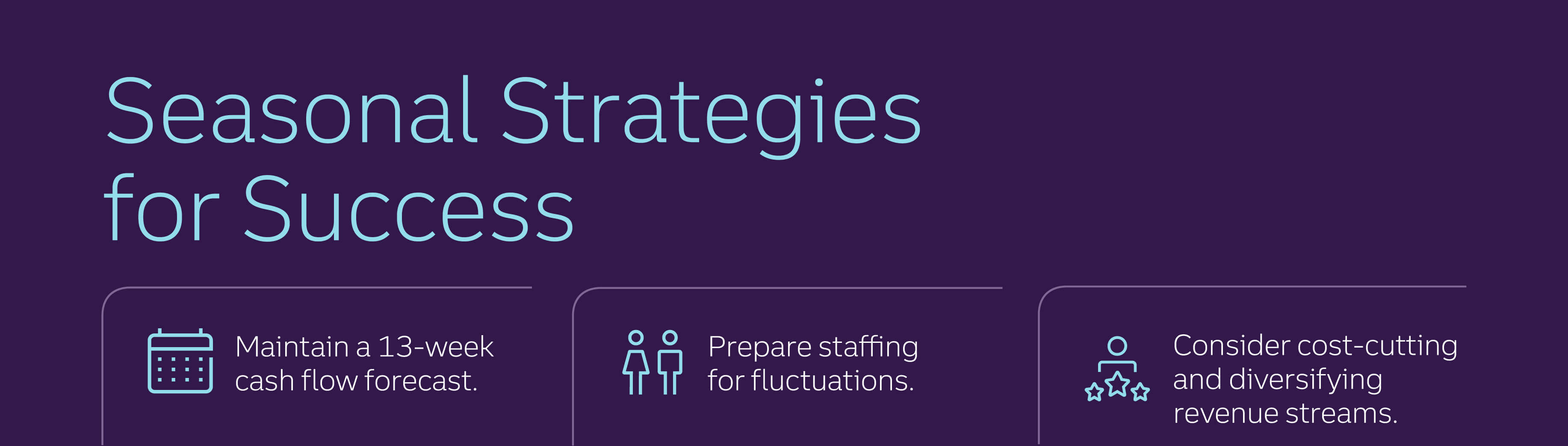
Prepare staffing for fluctuations. During the off-season, businesses need to ask important questions: Can you maintain your current workforce? If not, what does that mean for your culture? Flexible scheduling, temporary hires, and cross-training employees can help efficiently manage staffing levels during peak and off-peak times. This can help manage costs while ensuring that skilled workers remain engaged.
Adopt new revenue streams. Diversifying your income sources can help streamline revenue throughout the year. Think of a ski resort that operates trails for hiking and mountain biking in the warmer months. Another way to diversify is by offering services that complement the products you sell. REI is a good example: In 1987, the outdoor retailer began planning vacations for active travelers through REI Adventures. Other strategies include implementing online sales, ecommerce, or digital services that are less susceptible to seasonality.
Negotiate better deals. No matter the size of your business, you have the power to negotiate more favorable supplier terms. These may include opportunities for volume discounts or extended payment terms. Beyond negotiating, you can explore ways to become more efficient. For example, can you consolidate shipments to lower transportation expenses? If so, how might that impact how much inventory you need to store between deliveries? By weighing these pros and cons, you can make informed decisions with your Truist relationship manager.
Seasonality can have a significant impact on your business. It doesn’t have to force you to struggle during slower times of revenue, however. Working with your Truist relationship manager to develop financial strategies to maintain your cash flow and take advantage of boosts in revenue can help you feel more confident about your year-round operations.
Talk to your Truist relationship manager about tailored financial solutions that keep your business thriving through every season.
Uncover the value of Truist Business Lifecycle Advisory and see how your business can benefit today, tomorrow, and beyond.
Learn how companies are navigating key moments across the business life cycle from growth and financing to succession planning and operational transformation.
View all client storiesEffectively managing cash at your organization can help you streamline routine tasks, increase security, and maximize reporting. Learn how these four comprehensive tools can help.

Effectively managing cash at your organization can help you streamline routine tasks, increase security, and maximize reporting. Learn how these four comprehensive tools can help.
Be ready to respond when there’s a downturn in the economy.
A challenging economy can introduce business issues you haven’t had to address before. Explore ways you can take action to boost your cash position.

Strategies for addressing what’s now and what’s next—at the same time.
Learn more about strategies for addressing long-term and short-term goals and what’s next for your organization—at the same time.
{3}
Looking for fresh thinking and new insights to help uncover opportunities for your business needs?
Work with a partner who sees your vision and has the resources to help you achieve it. We’re ready to focus on the specific needs of your company—and where you are in your business lifecycle.
*This form is for prospects. Truist clients should contact their relationship manager with inquiries related to commercial products and services.